Not Your Mother’s Goulash … Unless Your Mother Is Hungarian!

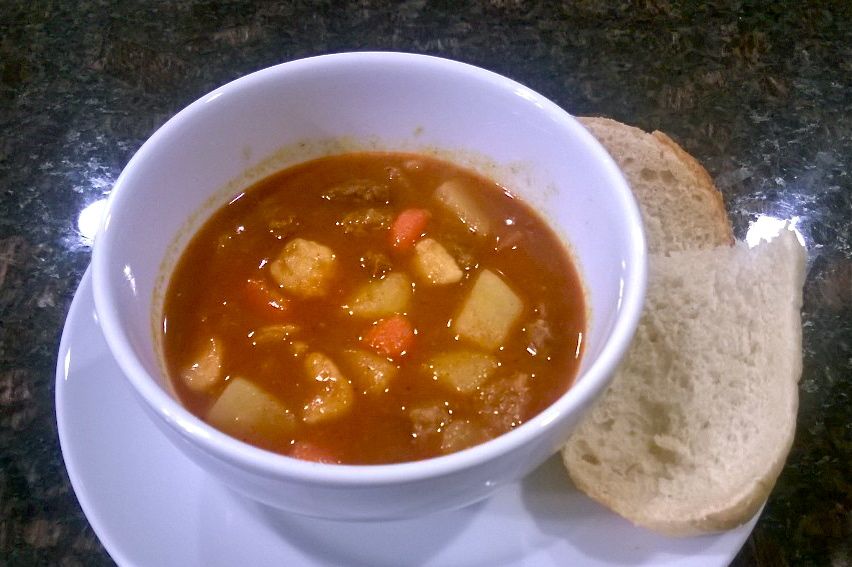
goulash9When you think of Hungarian food, the first thing that probably comes to mind is goulash. Long considered Hungary’s national dish, goulash (correctly spelled gulyás and pronounced goo-yash) is a hearty paprika-seasoned beef and vegetable soup that is a meal in itself. The name is based on its peasant origins, as it was once a dish cooked by herdsmen in a cauldron over an open fire on the Great Hungarian Plain.

Gulya = a herd of cattle

Gulyás = herdsman

The earliest version of the dish was known as gulyáshús, or herdsman’s meat, which was later shortened to gulyás. The original is made with beef, but variations made with chicken, pork, lamb, venison and even dried beans have developed over time. It is a popular dish throughout almost all of the former Austro-Hungarian Empire, including Austria, the Czech Republic, Slovakia, the Ukraine, Serbia, Croatia and part of Italy. It’s also very popular in Germany, where it’s called gulasch, and Poland, where it’s called gulasz.

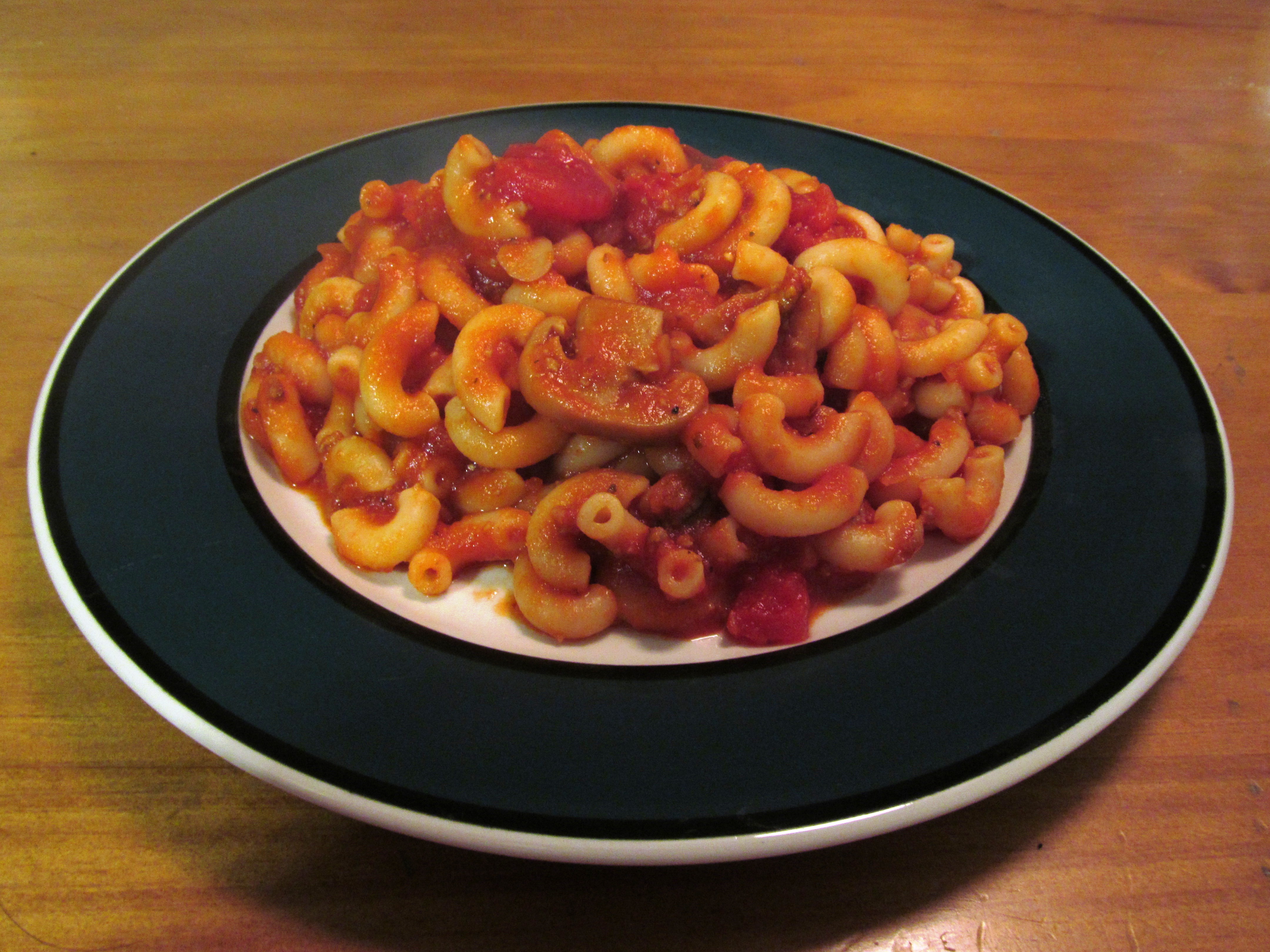
But a funny thing happened to gulyás when it migrated from Hungary: it turned into a thick beef stew, served over boiled or mashed potatoes, dumplings, polenta, or as a stand-alone dish with bread. And when it came to America in the early 20th century, it evolved into something resembling Stouffer’s Macaroni and Beef, and then ended up on cafeteria steam tables and in casserole dishes at church potlucks. Blasphemy!
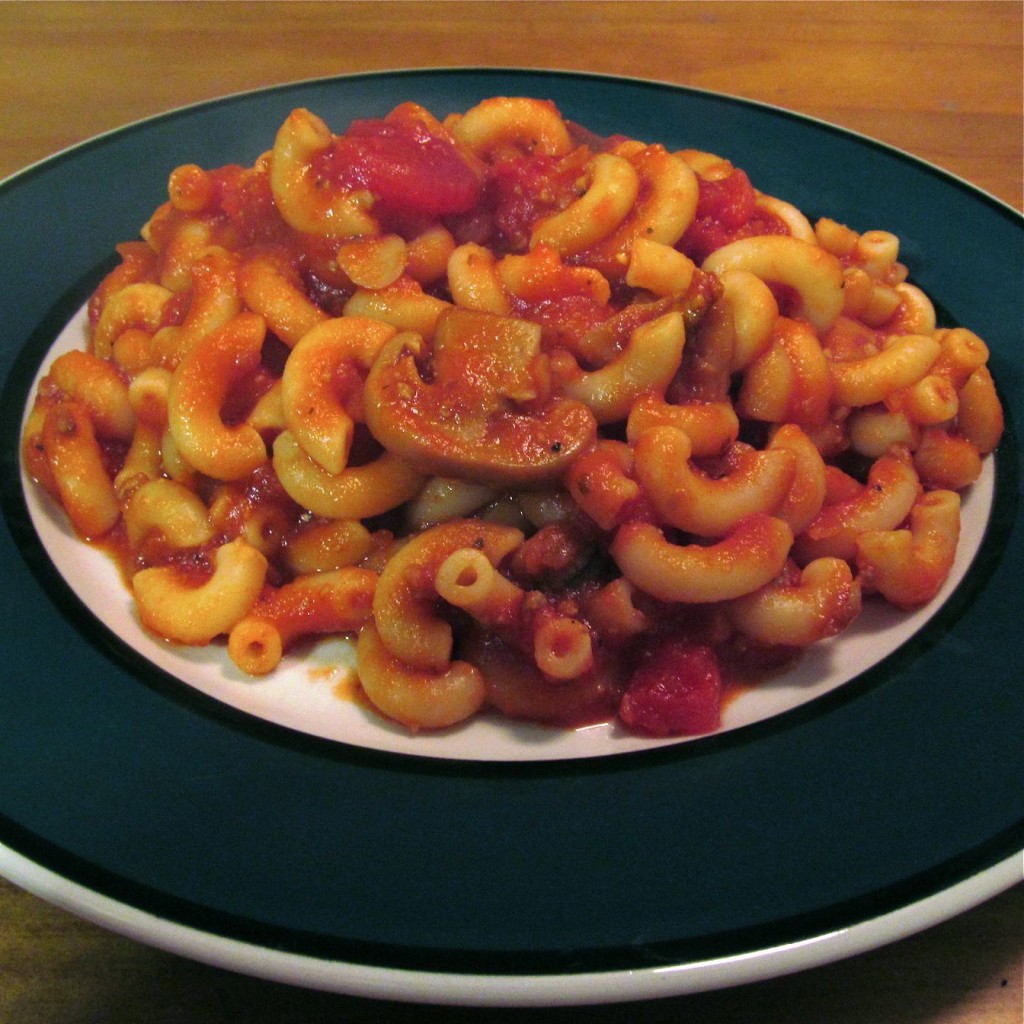
American Goulash, Photo Credit: Jason Gaydos via Flickr

American Goulash, Photo Credit: Jason Gaydos via Flickr

This “American goulash” – which some call “American chop suey” – is what my Texas-born husband grew up eating. His paternal grandmother in Fort Worth used to make it for him, and it’s featured in a cookbook that was compiled for a family reunion by his mom’s relatives in Nebraska and Kansas.

Being a good Hungarian girl (read more about me in my chicken paprikash post from June 2014), I am compelled to set the record straight. The recipe below is my version of the gulyás I grew up eating at home, at the annual Hungarian festival in New Brunswick, New Jersey, and in Hungary. I learned to make this and other Hungarian dishes by watching my mom cook, but I’ve also incorporated what I’ve learned from Hungarian cookbooks and food writers, including George Lang and Carolyn Bánfalvi.

You won’t find any ground beef, butter, flour, beef broth, vinegar, red wine, canned tomatoes, tomato paste, or elbow macaroni here. Gulyás is a perfect example of how a few simple, fresh, high-quality ingredients can come together to make a wonderful dish. In Hungary, gulyás is eaten all year long, but I find it best suited to fall and winter.  Leftovers are even better the next day, so I recommend making it a day in advance!

Gulyásgoulash1

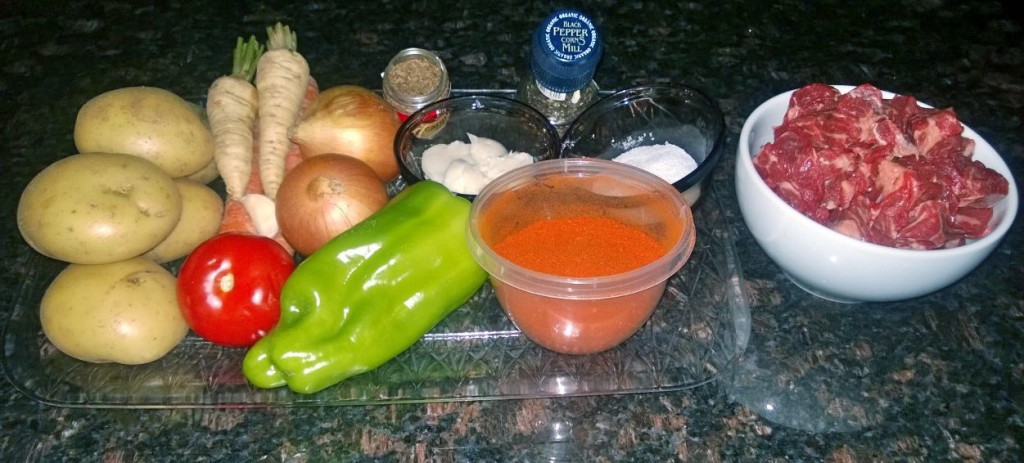
4 tablespoons sunflower or canola oil (or use lard, which is traditional)
2 yellow onions, chopped
4 tablespoons fresh, sweet Hungarian paprika (see my chicken paprikash post for tips on paprika)
1 1/2 pounds stewing beef, cut into 1/2 inch cubes (chuck is fine, or use shoulder or shin beef if you can get it. Don’t trim off all the fat – leaving some on will make the gulyás richer and more flavorful.)
Coarse salt and freshly ground black pepper, to taste
2 cloves garlic, finely chopped
1 red, ripe tomato, peeled, cored and chopped
1 pepper, chopped (Use sweet Hungarian white peppers if you can find them. If you can’t, pale green Italian frying peppers or Cubanelles make a fine substitute.)
Pinch of caraway seeds (omit these if you must, but they give a characteristic flavor to gulyás)
2 medium carrots, cut into 1/2 inch cubes
2 Italian parsley roots, cut into 1/2 inch cubes (you may substitute parsnips, but they’ll be sweeter)
5 cups lukewarm water
1 1/2 pounds Yukon Gold potatoes, peeled and cut into ½ inch cubes
Csipetke (see recipe below)

Heat the oil or lard in a large, heavy pot with a tight-fitting lid. Add the chopped onions, stir well, cover, and cook slowly over low to medium heat until soft and translucent – about 10 minutes. Stir occasionally so the onions don’t brown. You want them to become so soft that their presence won’t be discernible in the finished gulyás.

goulash6Remove the pot from the heat, add paprika and stir well. Return the pot to the stove and increase the heat to medium high. Add beef and season to taste with salt and pepper. Sear the beef, uncovered, until the meat is lightly browned, about 5 or 6 minutes. Stir only once or twice.

When the meat is browned, add garlic, tomato, pepper, and caraway seeds. Cook until fragrant, about 2 minutes. Add carrots, parsley root, and 5 cups water. Bring to a boil, then reduce heat to medium-low. Cover and simmer until the beef is nearly tender – about 40 minutes. Remove cover, add potatoes and cook until tender, about 25 minutes. Add csipetke to the pot and simmer for about 5 minutes. Add additional salt and pepper, as desired, and serve with crusty bread.

Csipetke

goulash7These little noodles, pronounced chee-pet-keh, are a classic addition to gulyás. The name is derived from the Hungarian verb csípni, meaning “to pinch.” That’s exactly how you make csipetke – “little pinched things.” If you want some noodles in your gulyás but don’t feel like making the csipetke, go ahead and cook some small shell-shaped pasta, orecchiette, or even elbow macaroni, and add it to the gulyás a few minutes before serving – I won’t tell anyone.

1/2 cup flour
Pinch of salt
1 egg

In a bowl, combine the flour, salt and egg, kneading for about 5 minutes until a firm, smooth dough forms. Allow the dough to relax for about 15 minutes covered with a dishtowel. Turn the dough out onto a lightly floured board and roll it into a long cylinder. Dust your fingers with a little flour and start pinching off dime-sized bits of the dough with your thumb and index finger. Place the bits on a floured baking sheet as you go. When you’ve used up all the dough, drop the csipetke into the simmering gulyás and cook for about 5 minutes.  They’ll float to the top when they’re done.
Tagged with: , , , , , , ,
Posted in Dear Diary

Hot Soup … Sans The Pot!

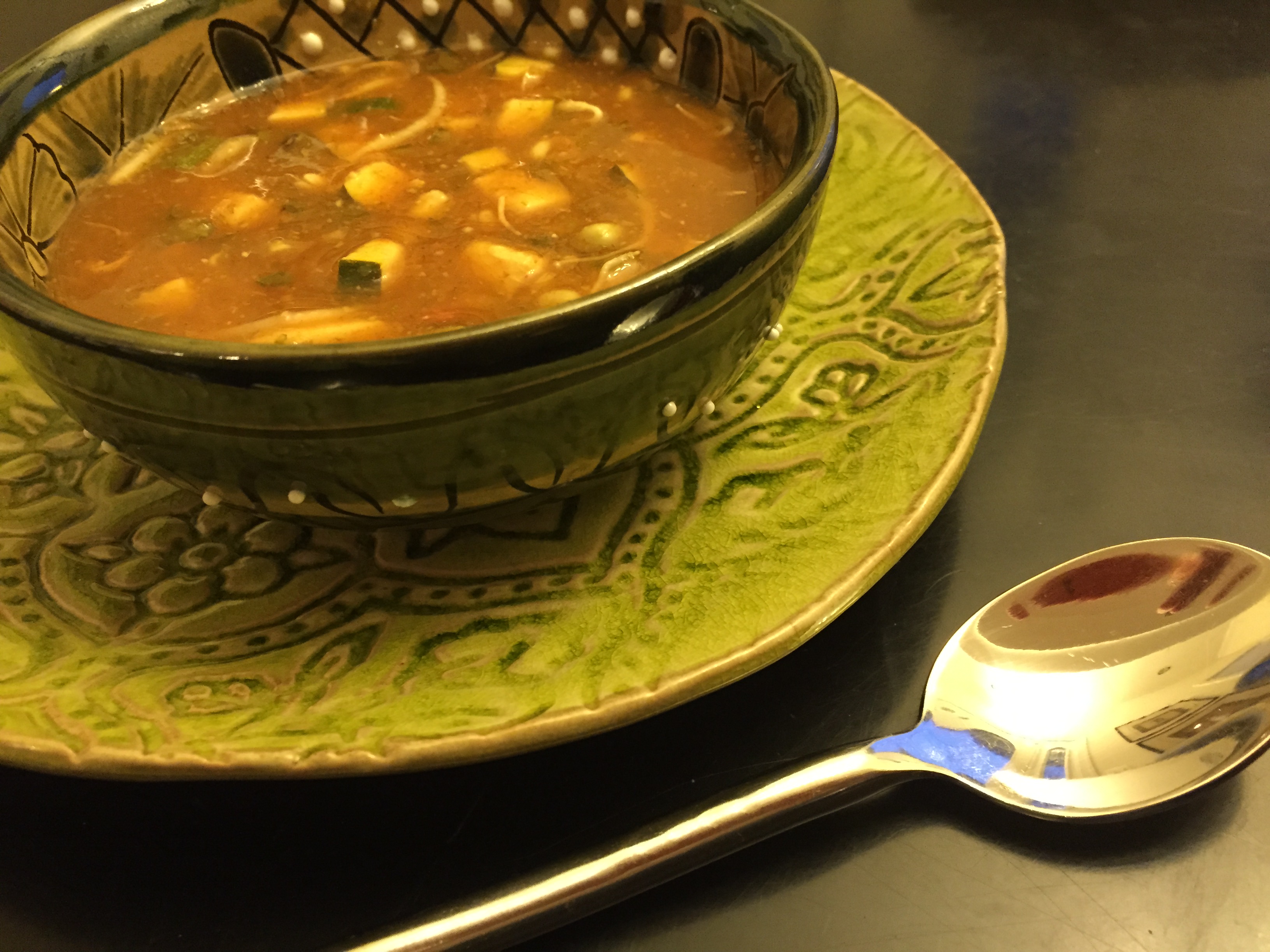
IMG_3675I’m a fan of making family traditions. For example, since I’ve met my favorite foodie, I’ve tried to cook her an elaborate birthday meal each year. It’s just one aspect of her birthday celebration, of course, but it I feel there is way more effort and care involved if I get my hands dirty and make something from scratch, rather than just taking her to a fancy restaurant or ordering in.

Well, riddle me this, Batman:  What do you do when your loved one is on a particular diet? Wait. Don’t use the “D” word. That has negative connotations. What do you do when your loved one is being selective about what kind of food he or she is eating?

This was the hurdle I faced in September of 2013. As part of a plan to eat more healthily, my birthday girl had just finished a week-long juice cleanse and was following that up with a week of eating raw. Just in time for her celebratory dinner.

Now, being the supportive partner that I am, I didn’t want to throw off her plan. Problem was, I was unfamiliar with the raw concept.  In fact, prior to meeting my spouse, “eating raw” to me was: crunching raw pasta? Weightlifters grossing out the common folk out by downing pitchers full of raw eggs? Biting into an apple? To say I was uneducated would be an understatement.

So, I started to read up on the subject. My friend Google provided me plenty of information; one of the best tips it offered was a recipe for hot and sour soup.  As a first course, this seemed like a great, achievable idea and, as it turned out, it was. In fact, it was declared the best dish of the night. It had just the right blend of spicy and sour. And per the recipe, referencing vegan chefs Mark Reinfeld and Jennifer Murray, you were allowed to heat the soup up a bit and it was still considered raw.

IMG_3664

The soup was good enough that I brought it to work to share (read: show off) with coworkers and have kept it in my repertoire of dishes. But here’s the great part: It is super-versatile. If you aren’t hung up on having a raw dish,  you can heat it up like a regular soup. You can add chicken or turkey to give it a delicious and heartier spin. You can amp up or dial back the spices as needed for your audience. Essentially, it’s a great entry drug for people who are interested in experimenting with raw food, making soup or cooking for others in general.

My consistent modification to the recipe is the addition of peppers: 1 serrano and 1 habanero. Why? Because I can and because my audience usually likes spicy. This time around, because it’s a We The Eaters special, I went a little crazy with tweaks.

I threw in a couple of dates to accompany the apricots (though I normally add extra apricots to the recipe, too). It is also SOP for me to add crunchy bean sprouts along with the mung bean sprouts (just for an added crunch). I also added garlic for this round, since we already had some peeled. I blended in some celery and used two whole tomatoes and less water (though some complained this made the soup thicker than standard hot and sour soup. Even so, once folks started eating, they were too busy enjoying the delicious dish to seem too concerned about the difference). And finally, I ended up using rice syrup instead of agave (we were out at home, so I had to wing it). We opted to heat the soup up (Grammy wanted hot soup!). Then, to top it off, we added leftover turkey from our Christmas feast. It was the perfect addition to beef this dish up to a burly dinner soup.

Now, back to 2013. The soup was a hit. Not that the birthday meal was a complete success, mind you. The dessert I tried to make is legendary … or maybe infamous is a better descriptor. But, while the challenge of an unfamiliar dietary restriction had me sweating over what I would do for a birthday feast, the experience left me with a great, go-to soup recipe that is easy and delicious. And it taught me this lesson: Just because it’s raw doesn’t mean it isn’t hot!

Live Hot and Sour SoupIMG_3655
Original recipe found at VegetarianTimes.com

1/2 cup mung bean sprouts
1/2 cup mixed crunch bean sprouts
4 Tbs. nama shoyu or soy sauce
8 dried apricots
5 minced buds of garlic
2 chopped tomatoes
1/4 cup thinly sliced green onion
2 tablespoons. organic raw apple cider vinegar
1 tablespoon peeled and minced fresh ginger
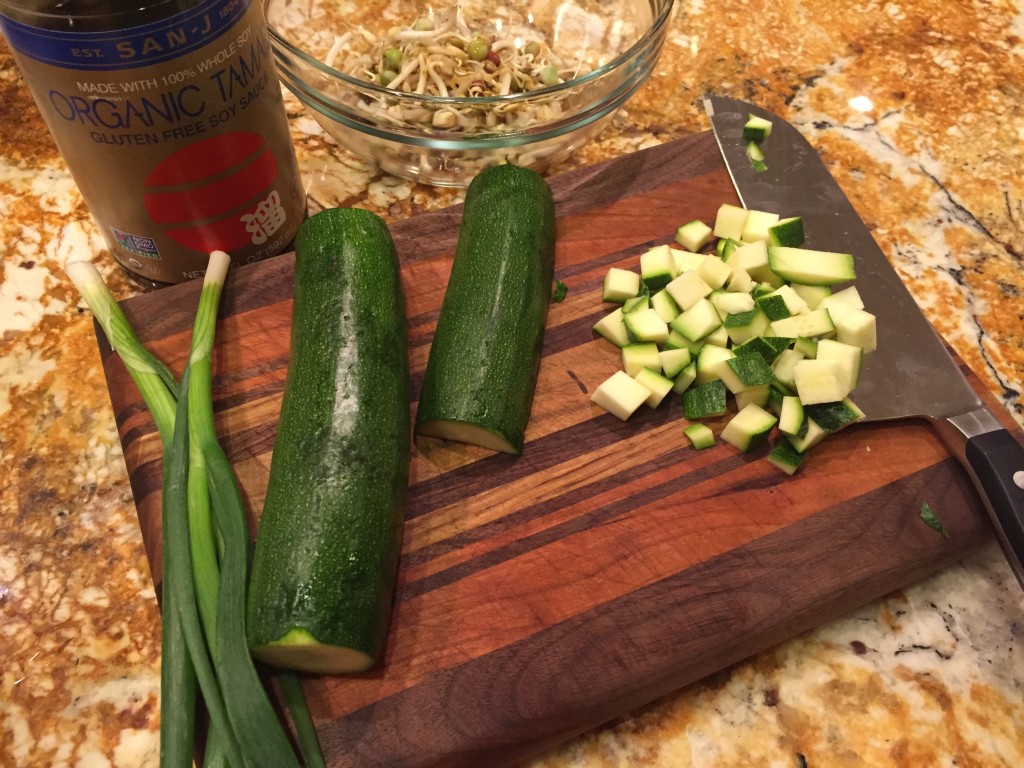
3 diced zucchini (you can also spiral cut them and serve them like noodles!)
1 jalapeño chile, seeded and minced (2 tablespoons)
1 serrano pepper
1 habanero pepper
2 juiced limes (or more to taste)
2 tablespoons chopped cilantro
2 tablespoons organic brown rice syrup (to replace raw agave nectar)
1/4 teaspoon cayenne pepper, or to taste
2 chopped dates
1 cup water
1 1/2 cups chopped cooked turkey or chicken

Stir sprouts and soy sauce together and let it sit while you prepare the rest of the ingredients.

Boil some water and soak the dried apricots for 5 minutes and then drain the water.

Place apricots, tomatoes, onions, vinegar, ginger, rice syrup (or agave), lime juice, cayenne, habanero and Serrano in a food processor and blend it until it’s smooth. Transfer that to a bowl. Chop up your cilantro, jalapeno and zucchini (spiral cut the zukes if you want to be fancy) and add them to the soup. Mix in your turkey (or chicken). Finally, add in your soy-soaked sprouts.

Now, if you’d like, you can heat up the soup and serve it traditionally, or serve it cold like a gazpacho.

As it turned out, this was a bit spicy for my guests (I did NOT want to put Grammy out of commission!) so I needed to dial it down. With some food prep spotting, we blended up some zucchini, tomato paste, water and more green peppers. The real answer, of course, is to use less heat (i.e. peppers).

Tagged with: , , , , , , , , , , ,
Posted in Dear Diary

What The Pho?

whatthepho3Of all comfort foods, soup is my favorite. In the depths of winter, when sneezes and sniffles lay in wait at our doorsteps, there’s nothing better to warm the bones and battle bacterial or viral intruders. But rather than another pot of plain old chicken noodle, why not try a steaming bowl of pho?
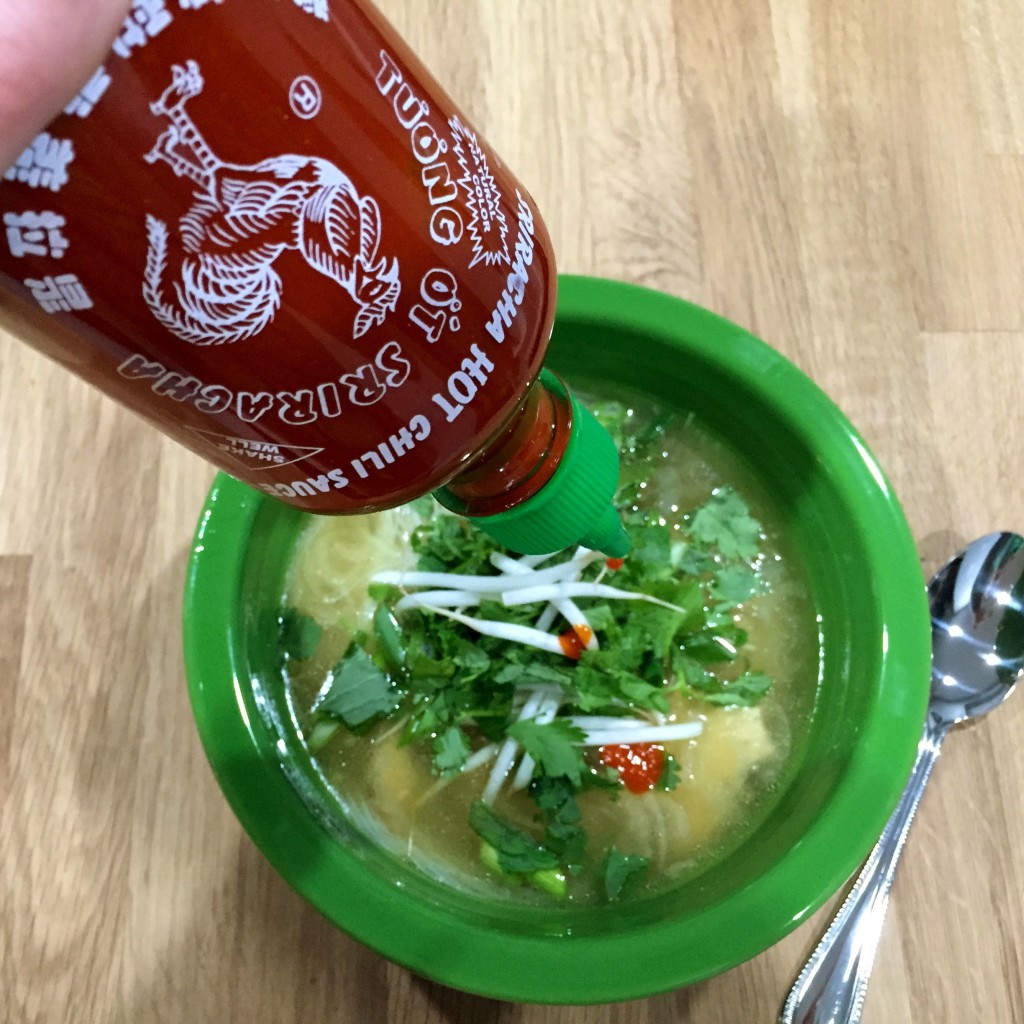
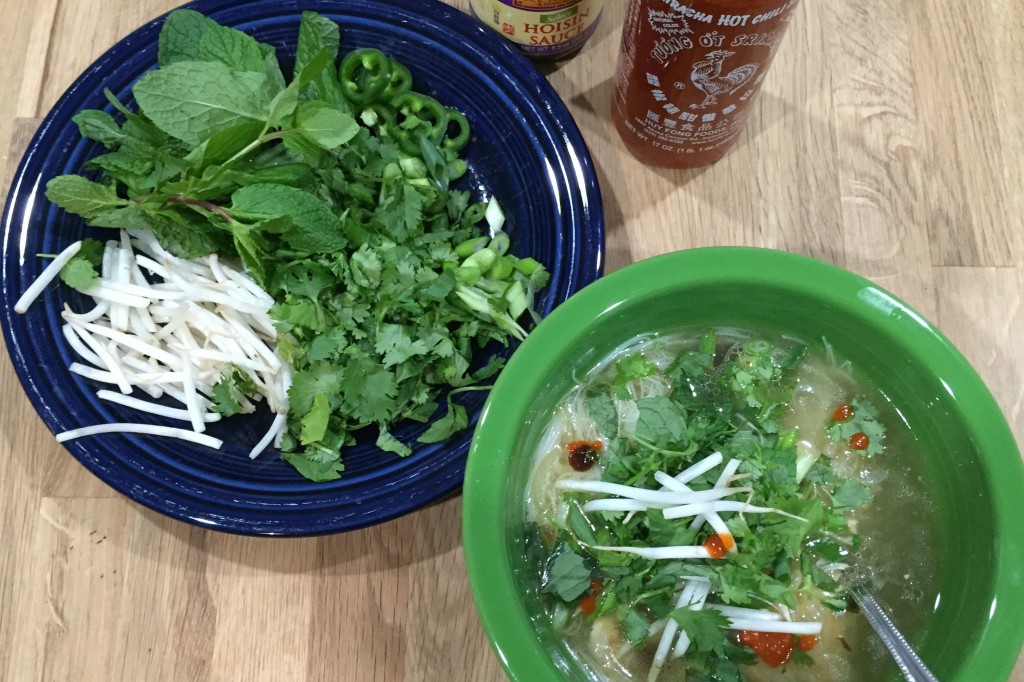
I don’t remember the first time I tasted the popular Vietnamese noodle soup, but I do remember it being an experience. A bowl of deeply aromatic broth, bits of beef floating on top and long, thin noodles piled at the bottom. There was a heaping plate of herbs, jalapenos, bean sprouts and lime wedges placed in the middle of the table, along with spicy chili and sweet plum sauces served on the side. I wasn’t sure where to begin!

Luckily it didn’t take long to learn how to assemble: Throw in a bit of this, a bit of that. The piping hot broth wilts the herbs perfectly. The noodles and the crunchy bean sprouts add texture to the soup eating experience. Want it sweeter? Add plum sauce. Spicier? Add chili sauce or more jalapeno. Smell it. Taste it. The flavor changes as more elements are added and the soup cools.

This warming and satisfying soup is one of the meals I crave most – hands down. And lucky for me, there are a ton of pho restaurants in my area. But if I love it so much, why not marry … er, make it myself?

All of the components make it seem like a daunting undertaking, but as I learned, it’s not. Just like any other soup, it’s dependent on a good stock of either chicken or beef. And once you’ve mastered a good stock, you can make a variety of soups.

The author of one traditional pho recipe experimented with making beef broth using various parts of the cow to discover which worked best. Bones and connective tissue are extremely important to get a good texture and flavor, and it enriches your broth with a ton of nutrients (We’ll talk more about bone broths later this month.) Using the cow’s shin as well as oxtail will also give you a good base. The addition of chuck and brisket serves double duty: not only does it help to build the stock, but this meat can also be cut up and served with the soup later.

whatthepho2Bone-in chicken works just as well here, and can be less complicated (I had a doozy of a time tracking down the kinds of beef parts I wanted to make my broth!). A co-worker who makes her own pho buys a quarter of a cow from a local farm and freezes it to use throughout the year. She asks the farmer for the bones as well, which she throws into her broth. In the end, I went with a chicken stock as the basis of my recipe below.
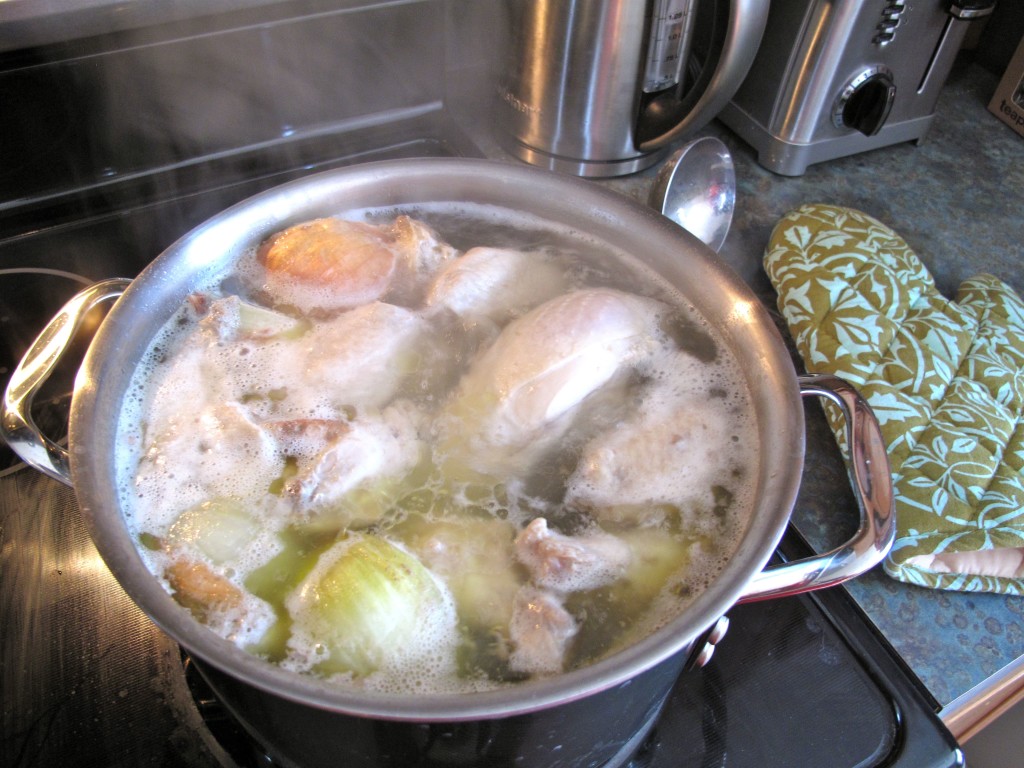
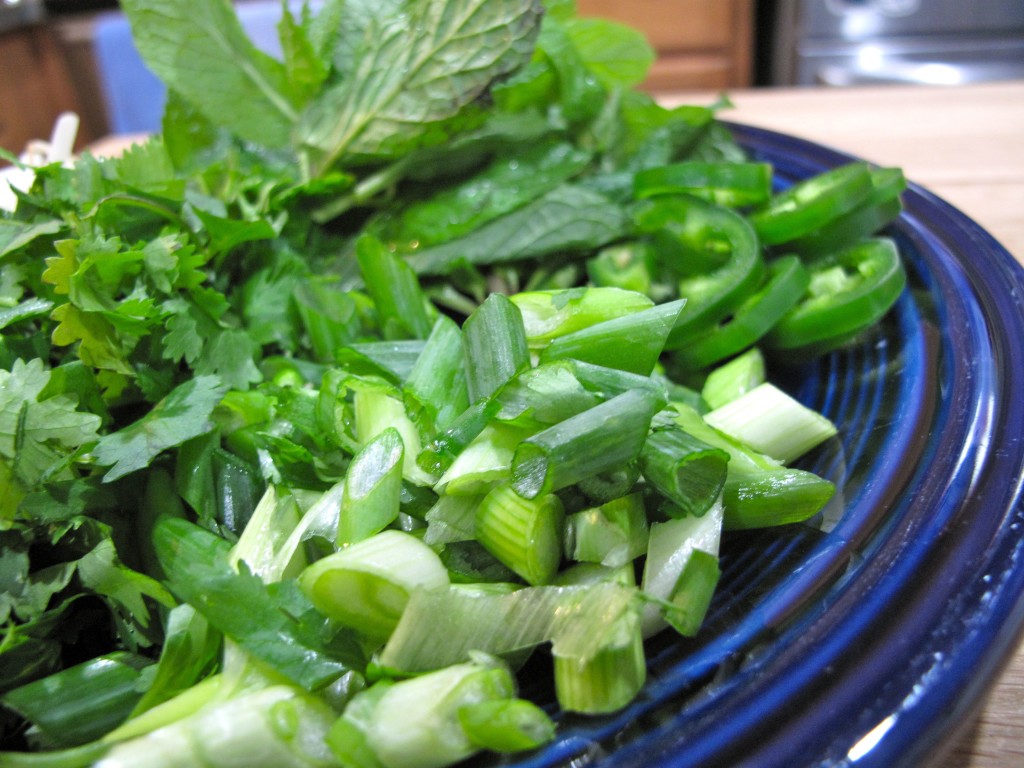
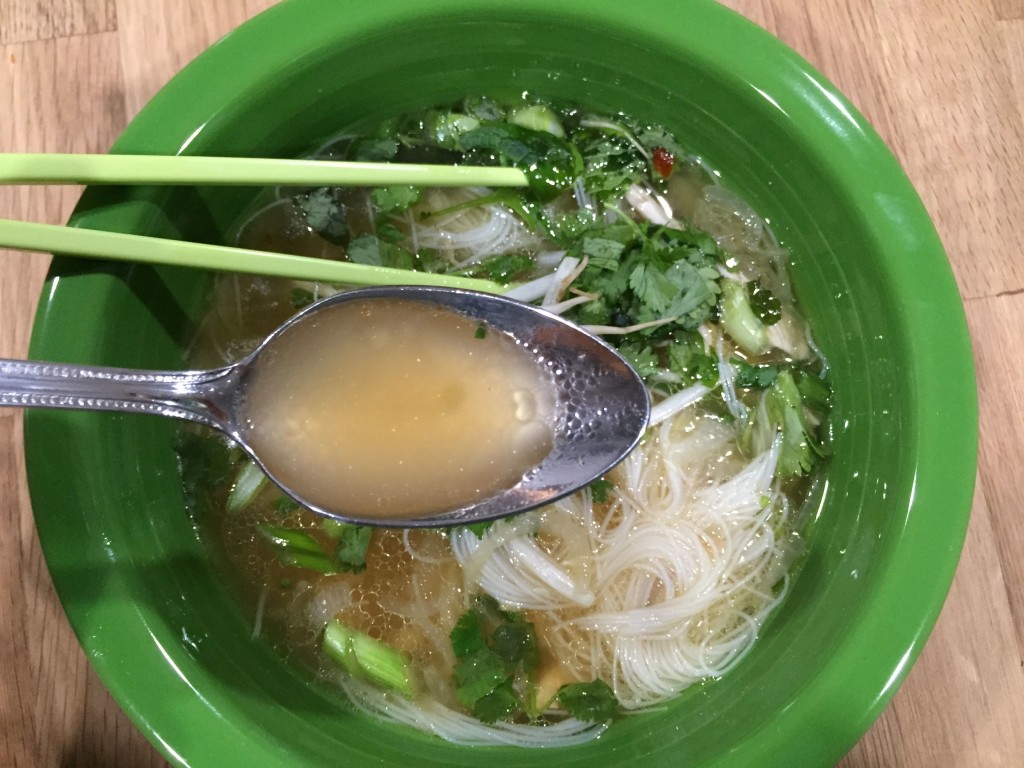
Stock – check. Now what? It’s time to pho it up.

Roasting the onions, garlic, ginger, cloves and star anise for about five minutes in the oven really brings out the aromatics. They should get brown and caramelized before you add them into the stock. This is what makes that broth so rich, and gives pho great depth of flavor.

And that’s just the beginning of this flavor adventure. Once the broth is ladled over the rice noodles and meat, it’s time to play. Make sure you add the jalapenos and herbs early so the heat from the broth breaks them down. Then it’s time to taste and adjust.

How do you pho? I like to taste other Eater’s creations if they let me! My husband’s is usually a lot spicier than mine: I notice his face get more and more flushed as he slurps it down. For me, it depends on my mood. When I’m fighting the sniffles I, too, like mine with a bit more kick. Otherwise, it’s a tad sweeter … and always with a ton of herbs.

Vietnamese Chicken Pho

I used two recipes as my inspiration, from Smitten Kitchen and Splendid Table.

To cut the time and complexity of making pho at home, whip up stock in large batches and freeze it. It’s great to have on hand for all kinds of recipes, and greatly cuts the steps down for this one. If you’re in a pinch, you can use a store-bought low sodium chicken stock.

Stockwhatthepho1
4 quarts water
3 pounds chicken wings
3 1/2 pound chicken, quartered
2 unpeeled onions, quartered
3 1/2-inch pieces unpeeled ginger, smashed
1 tablespoon kosher salt

Broth
1 medium onion, thinly sliced
4 garlic cloves, thinly sliced
2 to 3 inch fresh ginger, peeled and thinly sliced
6 whole cloves
1 star anise
fresh ground black pepper
2 tablespoons sugar
2 teaspoons Asian fish saucewhatthepho7
6 to 8 ounces pho rice noodles

Serve alongside the soup:
3 scallions, sliced thinly
bunch of cilantro leaves
several sprigs of herbs (mint, basil, etc)
bunch of bean sprouts
2 jalapenos, thinly sliced and de-seeded
limes, quartered
Hoisin sauce
Sriracha

To make stock:
Fill a large stockpot with water. Add the chicken wings and quarters, onions, ginger and salt. Bring to a boil. Lower the heat and let simmer until the chicken is cooked, about 30 minutes.

Remove the chicken quarters from the pot and place on a plate. Remove the meat from the bones and refrigerate for addition to the pho later. Put the scraps and bones back into the pot and simmer for another 2 hours. Strain the stock into a soup pot. If saving for later use, allow to cool then transfer to containers for storing.

whatthepho6To make broth:
Place the onion, garlic, ginger, cloves and anise in a single layer on a foil lined baking sheet. Grind some pepper over top. Broil on high for about 5 minutes, turning once. Scrape these into a large pot.

Add the broth, sugar, fish sauce and shredded reserved chicken. Stir all together and bring to a boil. Cover and simmer for 20 minutes.

To make soup:
Cook rice noodles according to the instructions on the package. Place cooked noodles in bowls. Sprinkle in scallions and cilantro. Ladle in broth to cover. Use tongs to pull out chicken and place in the bowls.

Serve piping hot alongside the herbs, sprouts, jalapenos, limes and sauces.

Tagged with: , , , , , , , ,
Posted in Dear Diary
photo credit to Aaron Otis Photography 2014


July
Watermelon is the perfect summer food. It hydrates, it cools, it's sweet and juicy. We have some great ideas for your table, including a salad, ceviche cups, popsicles and cocktails. Get ready to beat the heat with us!