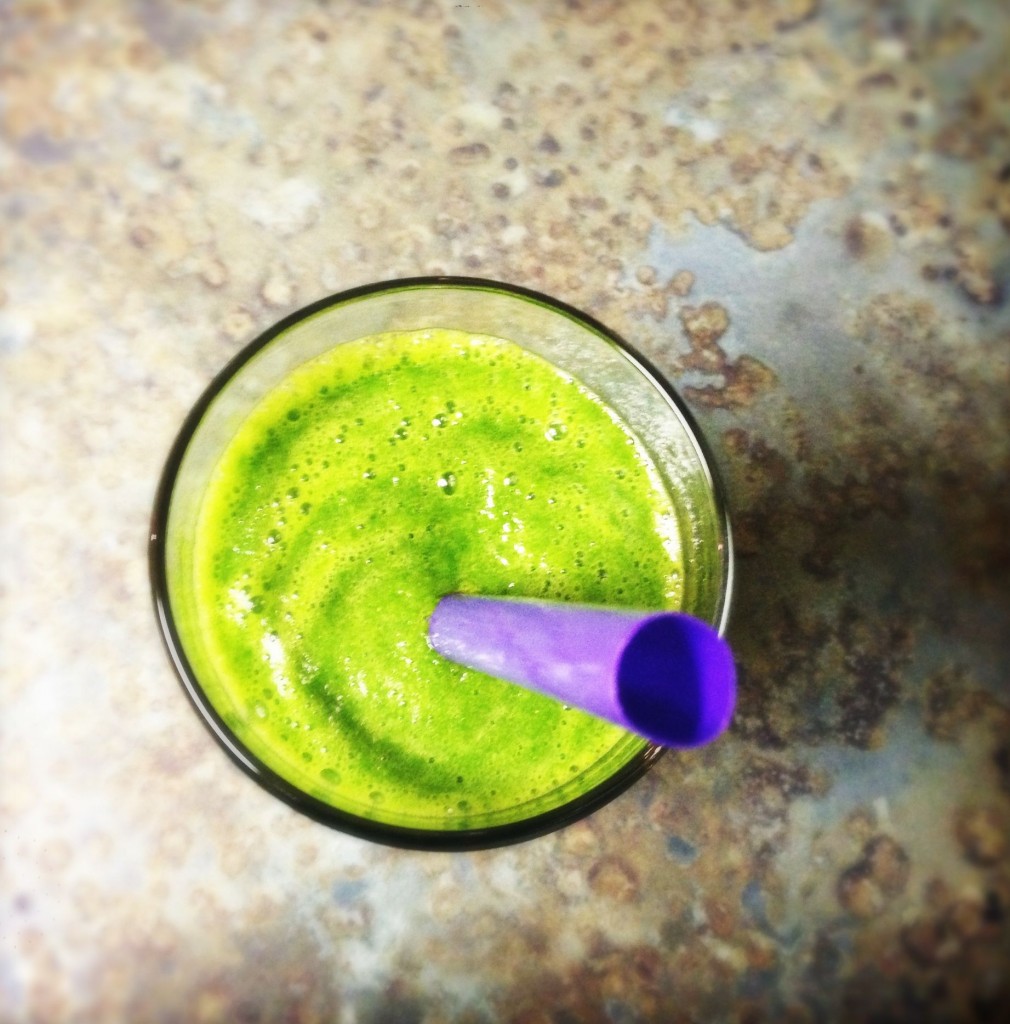
 It’s spring cleaning month here at We The Eaters and I’m kicking it off with juicing. Think of it as an initial hose down of your home … or, in this case, your body. Juicing is a great cleansing tool, whether you want to kick-start weight loss or simply detox from a bad weekend. And it’s yummy and surprisingly easy!
But fair warning: Once you get started it can become quite addicting, and the benefits will surprise you.
(Really surprise you, in fact. If you have time, sit down and watch the documentary ‘Fat, Sick & Nearly Dead‘. The filmmaker lost nearly 100 pounds and got his health back in tremendous ways. It’s inspiring stuff.)
For me, it all started about a year ago with a family visit to my aunt and uncle in Phoenix. It was spring, flowers were blooming, baby bunnies were being born, sandals were getting dusted off. I was all twitterpated. Not only was this about the time I started dating my now-hubby, but my relatives had just introduced me to another love – the Vitamix.
At least once a day they would toss in some ice with a variety of vegetables and fruits and blend. And in the hot, sunny Arizona spring, those yummy blends fueled our days. They were refreshing, bright and surprisingly filling.
I couldn’t shake the thought of it after coming home — nor could my dad and stepmom. In our short time in the desert we had become addicted to juicing. No joke.
So we did what any sane people would do. We bought Vitamixes.
(Side note, fellow Eater Amy is obsessed with hers too! As you may recall, she raved about the PB&J shake she made with hers a few months back.)
So I began experimenting with juicing, throwing anything and everything into my new little wonder machine. My family and I even experimented together, coming up with the recipe I share below. Sometimes my combos were flops, but I found that I was able to salvage them by adjusting the amounts of a certain ingredient or replacing, say, lime with lemon. There are tons of great recipes and resources out there to point you in the right direction. Then, just tweak things here and there, depending on your tastes.
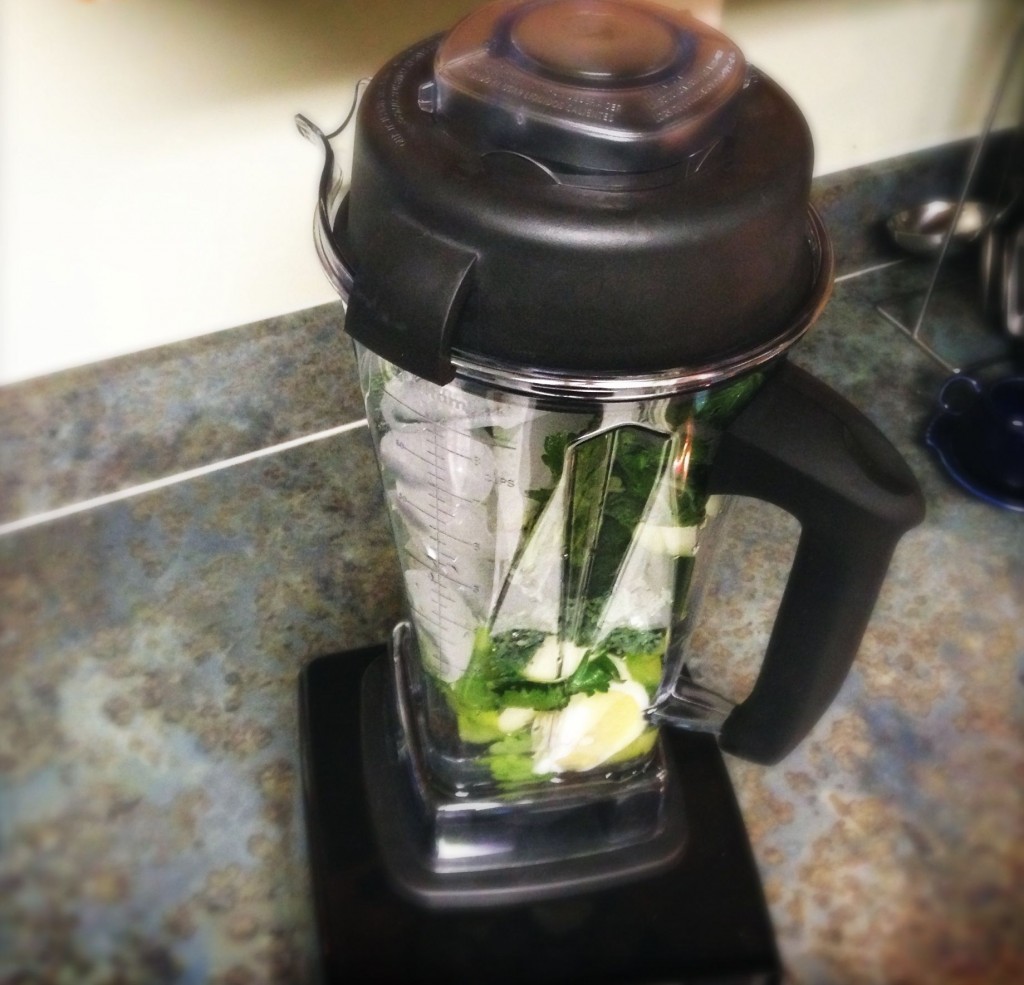 As you experiment with juice recipes, you should also consider maximizing the health benefits by tweaking not just for taste, but for the vitamins and minerals each ingredient provides. It’s tempting, for example, to throw a lot of fruit into the juicer. But fruits don’t provide the powerhouse nutritional value that veggies and greens do.
Victoria Boutenko’s Green Smoothie Revolution introduced me to how awesome greens are, eaten whole or juiced. According to Boutenko, greens house all the essential minerals, vitamins and amino acids that we need for optimal health. In fact, the only nutrient not found in greens is vitamin B12. She goes on to point out that as the amount of these dark, leafy veggies in our diets has declined, various health issues have also ticked up.
Her main example is Vitamin K. Greens are packed with them! Consequently, Vitamin K-deficiency has been linked to cancers, bleeding disorders, osteoporosis and many birth defects.
As you link the vitamins and minerals found in greens and other veggies with health benefits, juicing becomes more about overall health rather than just another easy way to get your veggies. This site houses a database of juice recipes and cites related health benefits – lowering blood pressure, clearing skin, increased energy and so on.
While I am not an expert on juicing and am not 100 percent committed to it every day, I’ve learned a lot that I want to share:
- Juice vs. “green smoothies.” The terminology can be confusing! When you think of juicing, you might think of a traditional juice — very thin and light. But the best heath benefits come when your juices are more like a “green smoothie.” It’s thicker and has more fiber, which keeps you full and satisfied longer. This blog breaks down the differences.
- Invest in a good blender. Wait, why not a juicer? Because a lot of juicers make traditional juice by separating out the pulp and fiber from the liquid. Then, all that pulp goes to waste and not into your belly! The Vitamix is classified as a blender. It’s high power crushes and masticates your ingredients so well that the end result has a juice-like consistency. There are many options out there, but if you’re in the market for a machine, you’ll want to consider a balance of quality, power and cost. A cheaper blender may not have enough power to blend up your ingredients properly and also may not last as long.
- Drink your juice as soon as you make it (or close to it). To get the optimal benefits of all those powerhouse fruits and veggies, don’t let it sit longer than a day. You can make it first thing in the morning and refrigerate the rest. But do not freeze your juice, as tempting as it may be.
- Rotate your greens. With so many varieties of greens, the only limit may be what you can get at your grocer. In her book, Boutenko describes a strange phenomenon of consuming the same greens day after day. They contain tiny amounts of alkaloids, she writes, and when the same ones build up in the body they can cause symptoms such as stomachaches, indigestion and gas. So she suggests simply rotating your greens daily, weekly or monthly.
- Keep your juices simple. Don’t add too many types of fruits and veggies at once. This will make it easier on your digestive system. Also, avoid adding extra ingredients such as nuts, oils or supplements. When a juice is simply juice, your body absorbs the nutrients faster.
There is so much more to juicing and “green smoothies” than I can cover here. Lots of books and blogs can help with recipes and more information. And if you’re just starting out, it’s OK to use a little more fruit, like frozen strawberries or blueberries. The sweetness will help acclimate you to drinking your veggies and greens.
Bottom line for beginners: Simply buy a bunch of ingredients and give it a whirl! What can go wrong?
Sarah’s Veggie-Lemon Squeezy Green Juice
This is the recipe that I discovered with my dad and stepmom right after buying our Vitamixes. It works well as a base. Swap out different greens or add fruits like berries or bananas. The cucumber and parsley here add a savory element to the juice, which I love!
1 cucumber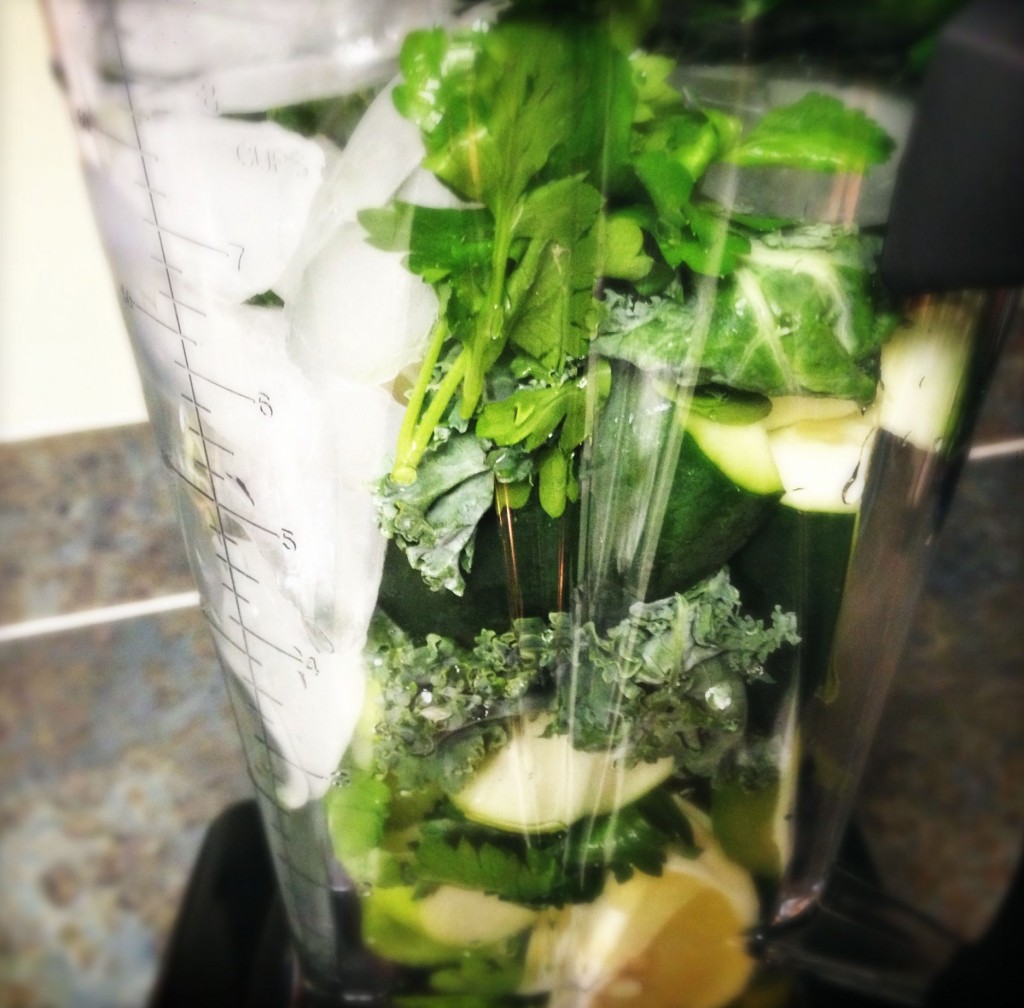
2 stalks celery
1 green apple
1 small lemon, peeled
Handful of parsley
Handful of kale
1 cup of water
Handful of ice
Prepare your fruits and veggies by washing thoroughly and removing any bad-looking parts. Cut them into manageable sizes to make them easier to blend.
Add them to the blender. If there are too many ingredients to fit, simply make the juice in batches.
Start the blender on a low setting and gradually increase to its highest setting. If using a Vitamix, use the hand paddle to push the ingredients down towards the blades as it’s running.
Add more ice or water if the ingredients become “stuck” or stop blending. Continue blending until all is incorporated, about two minutes. It will turn into a thick green bubbly liquid. Don’t be afraid! It’s yummsies!

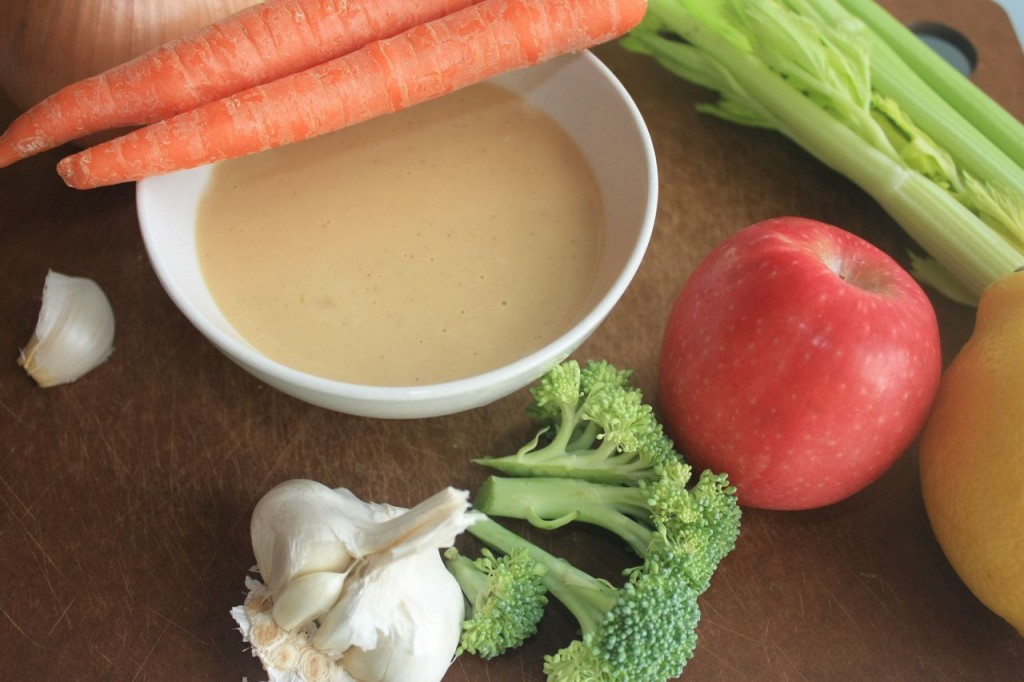 Spring may be an opportunity to clean house, but you can take it beyond dusting shelves and organizing closets to freshen up your eating habits too.
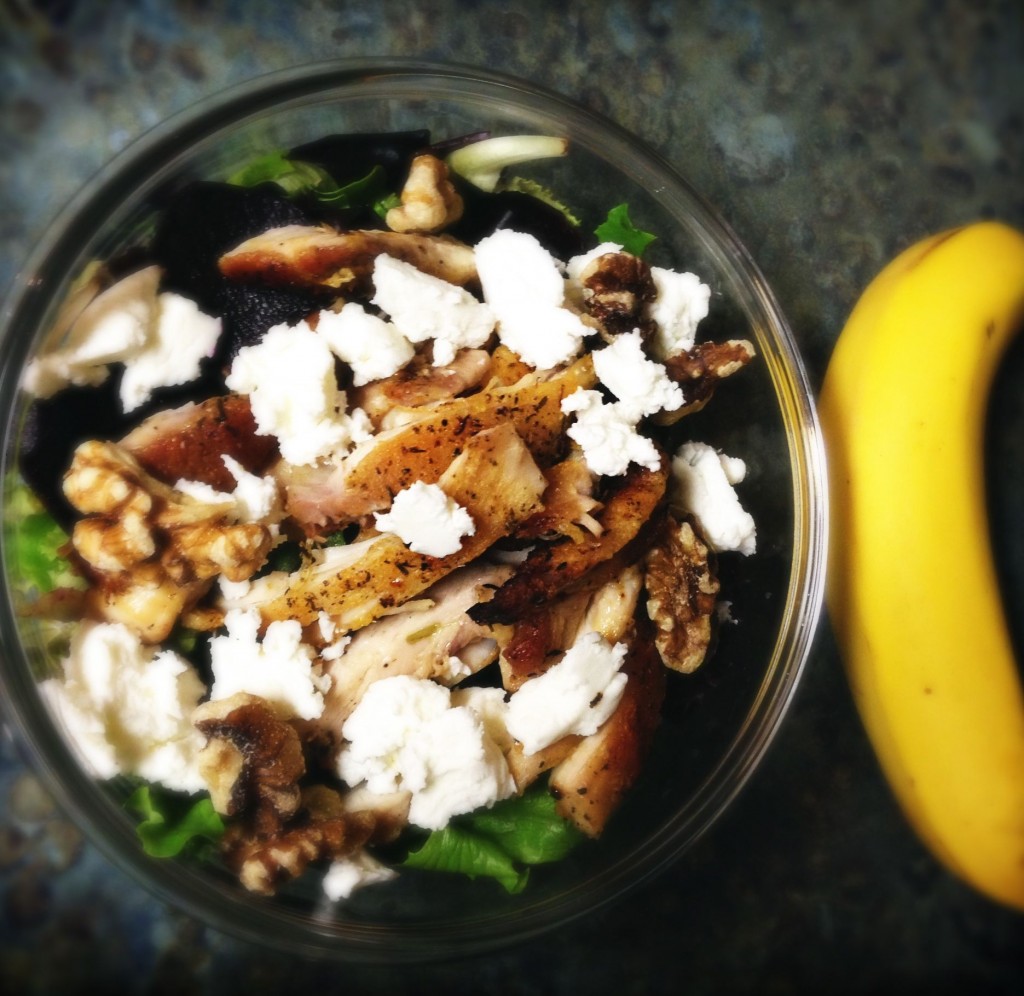 This week I’m turning the idea of a food budget on its head. Your first thought may be, how many dollars to spend on food?
 It’s simple math, of course. To lose weight, you need to burn more calories a day than you take in. While I was able to do this mainly through smart food swaps and cutting back on portions, I also began exercising, which helped a great deal. But even if you’re not a marathon runner, you can see results by changing what you eat and how you consume your calories.